
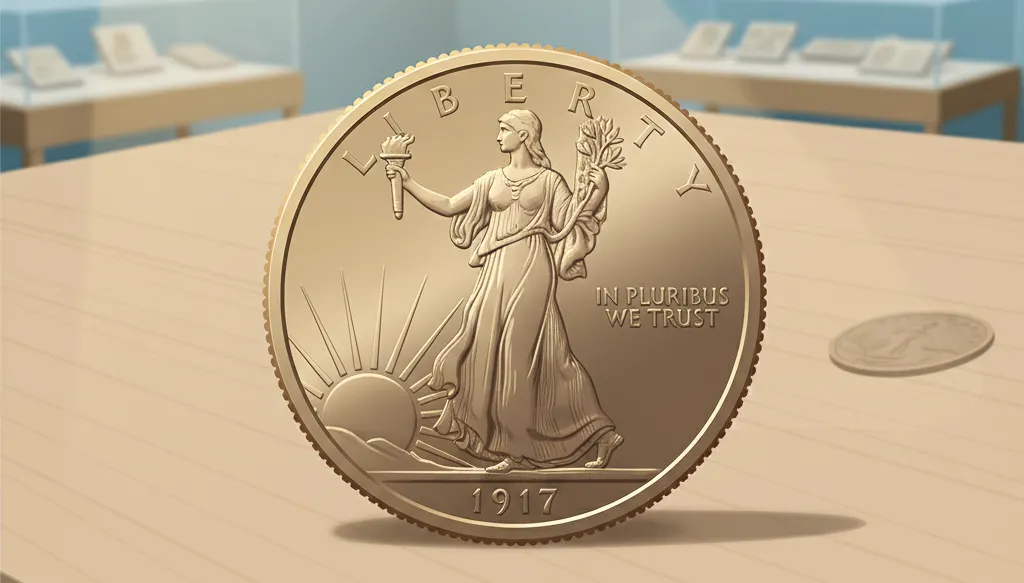
Discover the fascinating world of coin collecting and learn how to begin your numismatic journey with confidence
Have you ever held an old coin and wondered about the stories it could tell? Welcome to numismatics—the study and collection of coins that has captivated enthusiasts for centuries, earning its nickname as the “Hobby of Kings.”
In this article, we will cover the main questions that arise when you start exploring this field for the first time. How to choose what to gather, where to learn history to answer ‘who is on the 10 dollar bill’, how do you store everything you own and more. Follow us to find out!
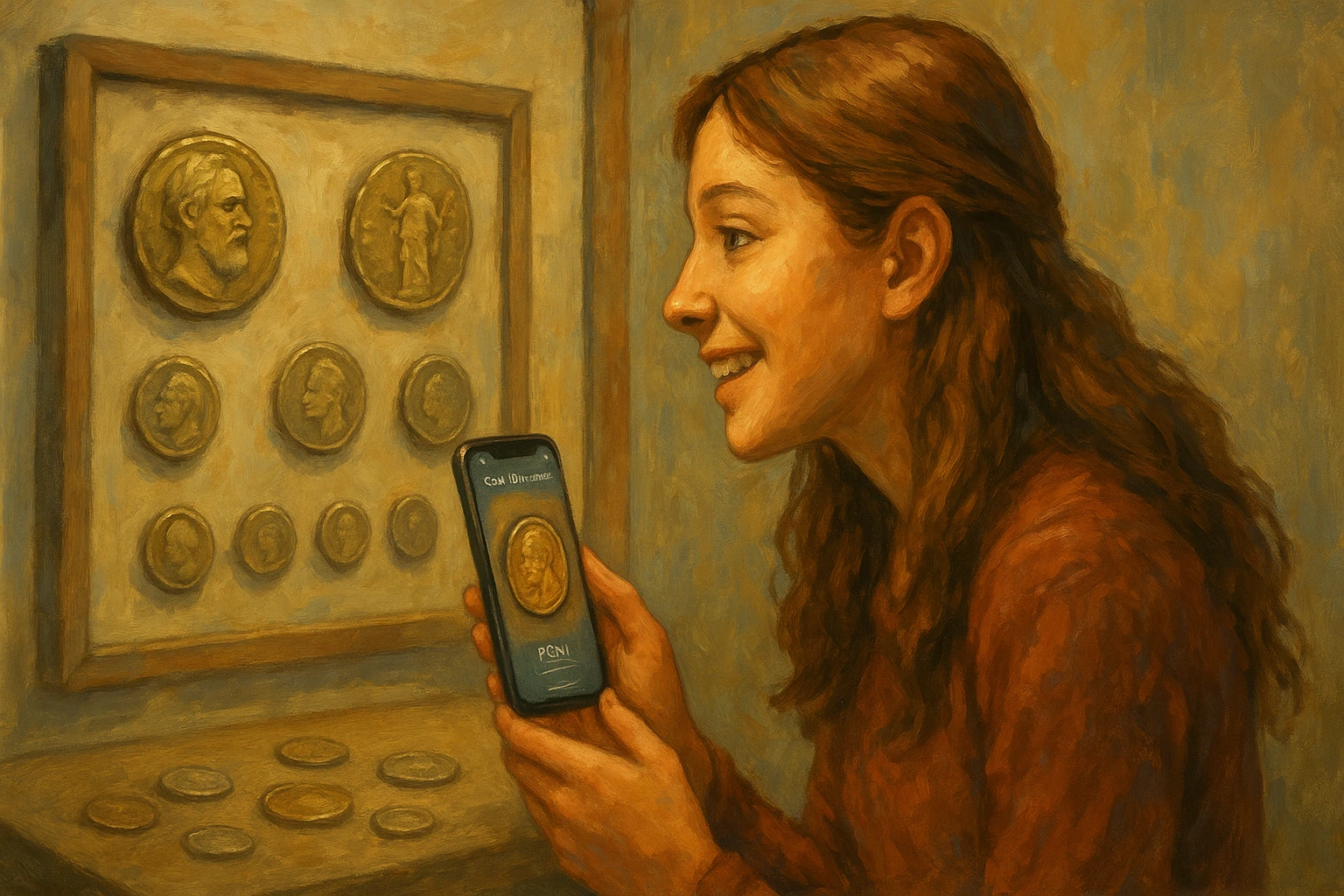
What Is Numismatics?
Numismatics goes far beyond gathering spare change from your pocket. It’s the systematic study and collection of coins, currency, and related objects that weaves together history, economics, and artistry. When you examine a coin, you’re holding a tangible piece of history that reflects the political climate, artistic trends, and cultural values of its time.
Numismatists—as coin collectors are formally known—often develop specializations based on their interests. Some focus on specific historical periods like ancient Roman coins, while others concentrate on particular countries or pursue thematic collections featuring animals, ships, or commemorative events.
Why Start Collecting Coins?
The appeal of numismatics stems from several compelling factors:
- Historical Connection: Every coin serves as a time machine, transporting you to the moment of its creation. A 1943 steel penny connects you to World War II history, while ancient coins let you hold currency that passed through hands thousands of years ago. This makes numismatics an exceptional educational tool, especially for families with children who find history more engaging when they can touch actual artifacts.
- Artistic Value: Coins represent enduring art forms created by skilled artisans throughout history. The limited surface space challenges artists to create miniature masterpieces that reflect their society’s aesthetic values. From Liberty’s flowing hair on early American silver dollars to bold modernist designs on contemporary euros, each coin tells a visual story.
- Investment Potential: While you shouldn’t collect solely for profit, rare coins have demonstrated remarkable appreciation over time. Some specimens sell for millions at auction, and even modest collections can grow significantly in value when collectors focus on quality and develop expertise in their specialties.
- Community Building: Perhaps most rewarding is the incredible community of collectors, dealers, and researchers who share this passion. Local coin clubs, national organizations like the American Numismatic Association, and online forums provide opportunities for learning, trading, and connecting with enthusiasts worldwide.
Getting Started – Essential Steps and Tools
Starting your numismatic journey doesn’t require extensive knowledge or unlimited funds—just curiosity, patience, and willingness to learn.
Define Your Collecting Goals
Before making your first purchase, decide what excites you most:
- Type Set: Collect one coin of every major design from a specific series
- Series Run: Gather every date and mint mark for a single design
- Thematic Collections: Focus on coins featuring specific subjects like animals, historical figures, or world events
- Geographic Focus: Concentrate on coins from particular countries or regions
Learn the Fundamentals
Familiarize yourself with essential numismatic concepts:
- Coin Anatomy: Understand terms like obverse (heads), reverse (tails), rim, and field
- Grading Systems: Learn the Sheldon 70-point scale that determines coin condition and value
- Mint Marks: Small letters indicating where coins were produced
- Key Dates: Scarce years that command premium prices
Gather Essential Tools
Every serious collector needs basic equipment:
- Magnifying glass or jeweler’s loupe for detailed examination
- Reference books and price guides for research
- Protective sleeves, holders, and albums for storage
- Cotton gloves for safe handling
- Good lighting for proper coin evaluation
Establish a Realistic Budget
Financial planning prevents overspending and ensures sustainable collecting:
- 70% for coins: Your primary collecting budget
- 20% for reference materials: Books, guides, and educational resources
- 10% for supplies: Storage materials and tools
Use a spreadsheet or collection checklist to track purchases and avoid duplicates while staying within budget.
Modern Tools and Success Strategies
Technology has revolutionized numismatics, making it easier than ever for beginners to identify, value, and manage their collections.
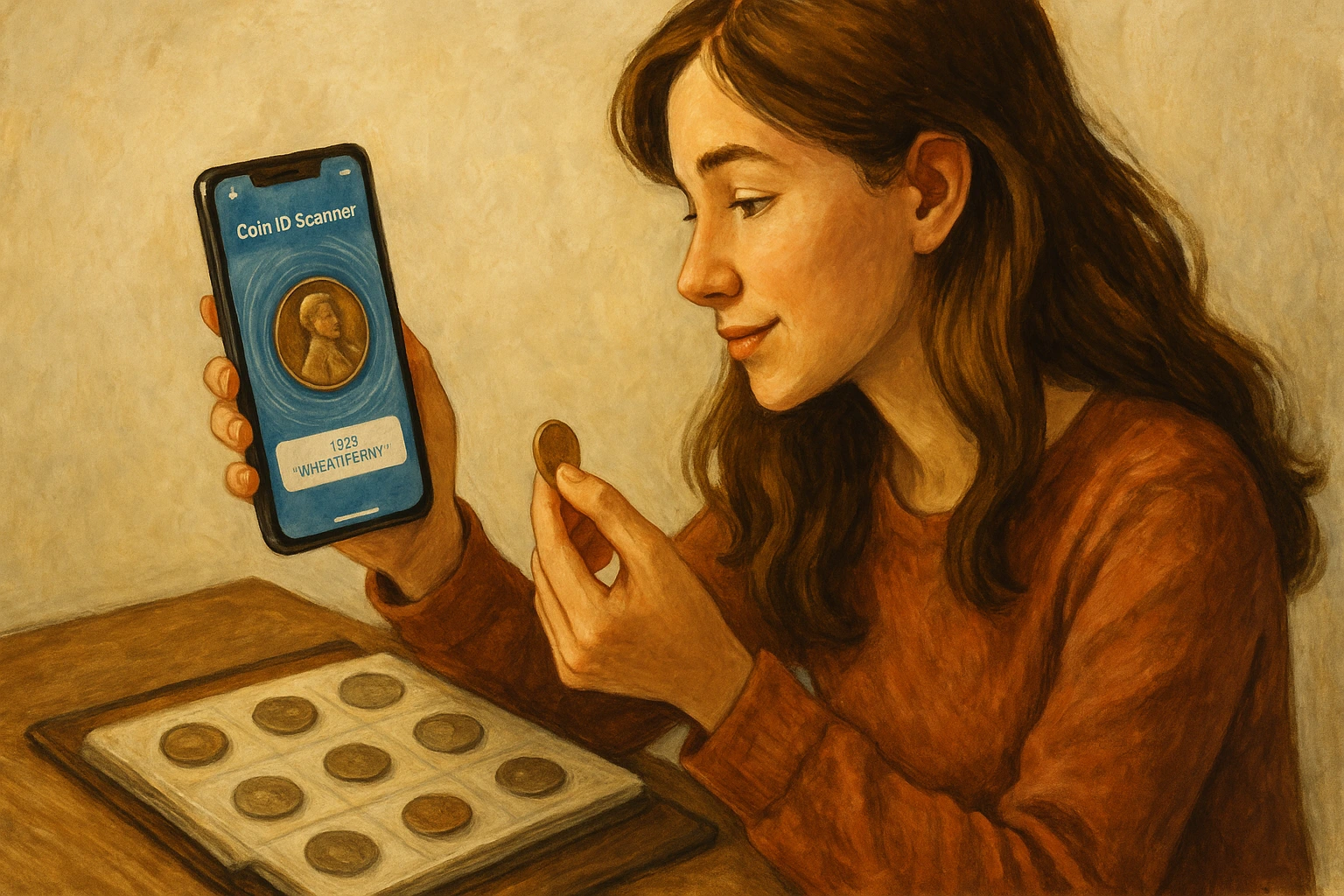
Leveraging the Coin ID Scanner App
The Coin ID Scanner app represents a breakthrough for modern collectors. Using AI-powered image recognition, this tool instantly identifies coins through your phone’s camera, providing detailed information including country of origin, year of minting, composition, and historical context.
Key features that benefit beginners include:
- Instant Identification: Simply photograph unknown coins for immediate results
- Real-time Market Values: Check current prices for smarter buying and selling decisions
- Digital Collection Management: Organize and track your collection electronically
- Large Database: More than 150,000 coins from over the world can be identified via the Coin ID Scanner
This technology is particularly valuable for beginners who want to avoid costly identification mistakes and build confidence quickly.
Building Knowledge and Networks
Success in numismatics requires continuous learning:
Join Organizations: The American Numismatic Association offers resources, discounts, and educational opportunities for collectors at all levels.
Attend Events: Local coin shows and club meetings provide hands-on learning experiences and networking opportunities with experienced collectors.
Research Tools: Use auction archives from major grading services like PCGS and NGC to research real-world coin prices and market trends.
Online Resources: Follow reputable numismatic blogs, forums, and websites to stay current with market developments and collecting strategies.
Best Practices for Long-term Success
- Specialize: Focus on specific types, eras, or themes for deeper knowledge and greater satisfaction
- Handle Properly: Always use cotton gloves and store coins in protective holders to maintain condition
- Stay Patient: Building a meaningful collection takes time and perseverance
- Network Actively: Seek guidance from experienced collectors and maintain relationships within the community
- Continue Learning: Read extensively and stay current with market trends and historical research
Starting a coin collection offers an accessible entry into a deeply rewarding hobby that combines history, art, and potential investment returns. By defining clear goals, learning fundamental concepts, leveraging modern tools like the Coin ID Scanner app, and connecting with the vibrant numismatic community, you’ll establish a strong foundation for collecting success.
Whether you’re drawn by historical fascination, artistic appreciation, or investment potential, numismatics provides a lifelong journey of discovery and learning. Start small, stay curious, and remember that every expert collector began exactly where you are now—with enthusiasm and a willingness to learn.
Happy collecting!